
Thinking Ahead: Leadership Lessons from a U-Haul
You don’t have to see the whole picture to lead well — just look far enough ahead to know where you’re going.
A few weeks ago, my friend John rented a U-Haul. He wasn’t exactly confident about driving it—honestly, he was a little nervous. The truck was big, the turns were tight, and it handled nothing like his car.
Sure enough, about thirty seconds into his trip, he clipped a tree pulling out of his driveway. A few minutes later, he pulled into a gas station and realized he couldn’t figure out how to get out. The lanes were too tight for a turn, and he froze. After a minute, he called me and asked, “How do I get out of here?”
I told him, “Just back out.”
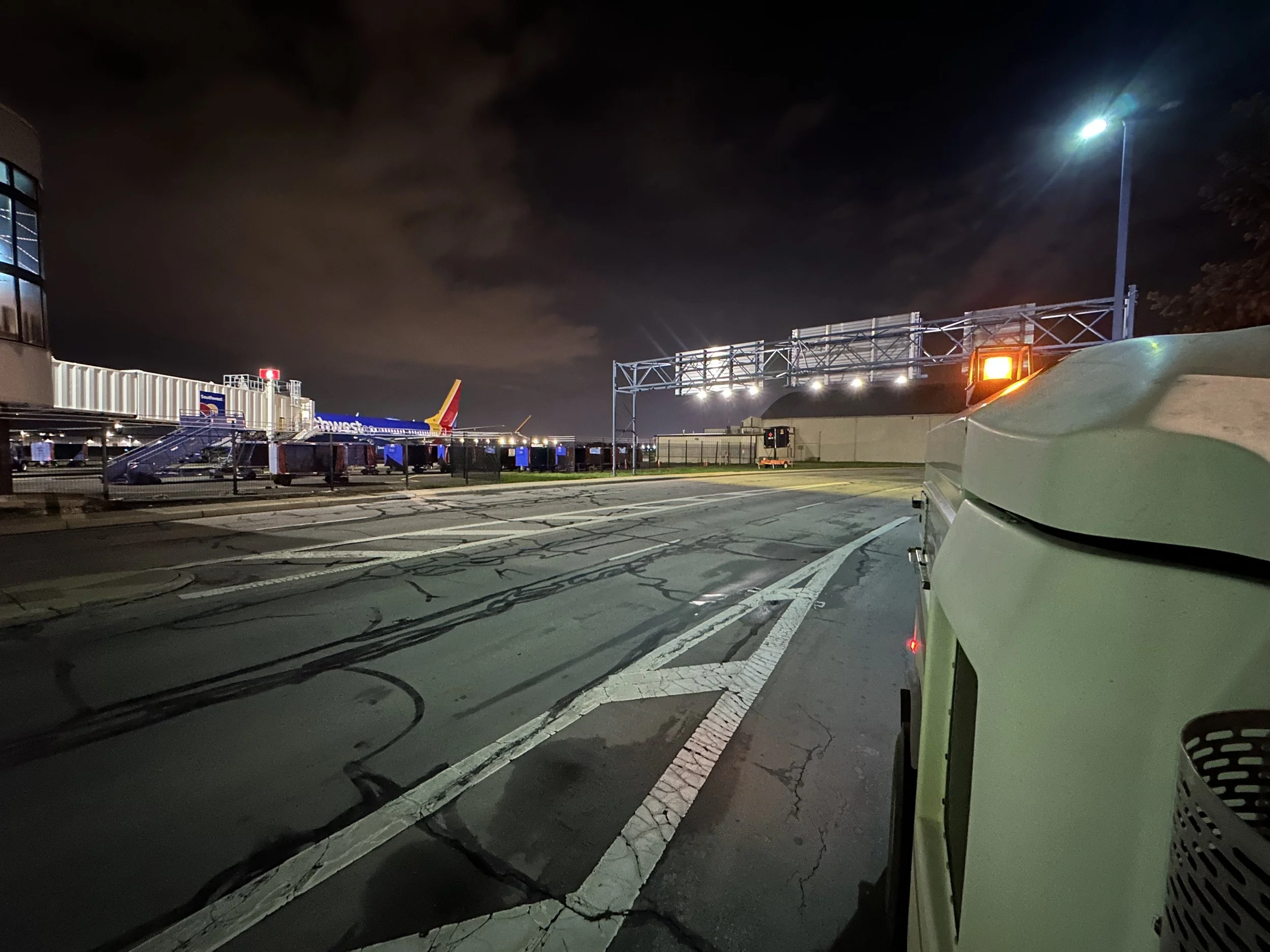
It made me laugh, but it also reminded me of something I’ve learned from driving large vehicles at the airport and earning my CDL: driving something bigger isn’t necessarily harder—it just takes thinking ahead.
When you’re behind the wheel of a big vehicle, you can’t make last-second decisions. You have to plan your turns before you make them, look ahead to see what’s coming, and leave yourself room to move if something changes. You can’t be right up on the bumper of the car in front of you—you need space to brake, to adjust, and to react safely.
Leadership works the same way.
Being a leader doesn’t mean you need to predict every possible problem or think through the worst-case scenario. That only leads to fear and overthinking. Instead, it means looking ahead just far enough to see what might come next and being ready to respond.
Good leaders give themselves and their teams “room to brake.” They don’t crowd every situation or decision so tightly that there’s no flexibility. They leave margin—room to think, to adapt, and to make adjustments along the way.
They don’t just react—they prepare.
They cast a vision, plan for the future, and move forward with awareness instead of anxiety. Because if you’re leading without looking ahead, you’re just guessing. And nobody follows a leader who’s guessing.
So whether you’re driving a U-Haul, leading a team, or making decisions about your future—don’t crowd the car in front of you.
Look ahead. Leave room. Think about what might come next and how you’ll respond when it does.
The best leaders don’t plan for disaster—they plan for direction.
Action Steps: How to Practice Thinking Ahead Without Overthinking
Give yourself room to breathe.
Before jumping into a decision, pause for a few seconds to think about what’s one step ahead. You don’t need to map out every detail—just the next turn.Create margin in your schedule.
Leave extra time in your day or your project timelines. Great leaders plan space to slow down, reflect, and make adjustments.Plan, don’t panic.
When you start to feel overwhelmed by “what ifs,” reframe the question: What’s most likely to happen, and how can I prepare for that? That’s leadership thinking, not fear.Cast short-term vision.
You don’t have to see five years down the road—just the next stretch of highway. Share your next goal with your team or friends so everyone’s moving in the same direction.
Key Takeaways
Leadership requires foresight, not fear. You don’t need to know every outcome—just stay ready for the next one.
Leave margin. Giving yourself room to “brake” allows flexibility, reflection, and better decisions.
Vision gives direction. When you look ahead, others know how to follow.
Preparation prevents panic. Being ready builds confidence—for you and your team.
Don’t overthink—look ahead. The goal isn’t to predict the future. It’s to be steady when it arrives.
We believe that giving students, the leaders of today, the opportunity to serve and make an impact will create vision and entrepreneurship for a better tomorrow.
Contact us to learn more about our mission and work, or to become involved yourself at
And come back the second Tuesday of each month for a new blog post!